How to Wash Second-Story Cladding Without Using Ladders
Cleaning the upper level of a two-storey home is one of the riskiest maintenance jobs a homeowner can take on. Falls from ladders remain a leading cause of serious home-maintenance injuries in Australia, and the risk grows when you add wet surfaces, soapy runoff and uneven ground. Fortunately, there are several effective ways to wash second-story cladding from the ground, or with specialised equipment, so you never need to climb a ladder. This guide explains the methods, tools and techniques that work, with considerations specific to Lismore and the Northern Rivers climate.
Why Cladding Gets Dirty Faster in Lismore
Lismore's subtropical climate creates ideal conditions for mould, mildew, algae and lichen. High humidity, frequent rainfall and warm temperatures mean organic growth can establish on exterior walls within months, especially on shaded southern and eastern elevations. Add pollen, dust, tree sap, and the fine silt left behind after flooding events, and cladding can look stained and tired quickly.
Regular washing does more than improve appearance. Built-up mould and grime can break down paint finishes, trap moisture against the surface, and shorten the life of the cladding. Most manufacturers recommend cleaning exterior cladding at least once or twice a year, and in humid regions like the Northern Rivers, twice yearly is a sensible schedule.
Know Your Cladding Type First
The right method depends on what your walls are made from. Using the wrong pressure or chemical can cause damage that costs far more than the cleaning itself.
Weatherboard (Timber and Timber-Look)
Painted timber weatherboards are common in older Lismore homes. They tolerate low-pressure washing and mild detergents, but high pressure can force water behind boards, lift paint and damage the timber. Always spray in the direction of the boards, not upward under the lap.
Fibre Cement
Fibre cement sheets and planks, such as those used on many https://fernandohjco665.lakeviewbrief.com/posts/the-ultimate-guide-to-paver-cleaning-and-sealing-care newer homes, are durable but can be damaged by aggressive pressure. Keep pressure low, avoid getting water into joints, and never hold the nozzle close to the surface.
Vinyl and Aluminium
These materials are easy to clean with soft washing. Avoid abrasive tools that can scratch the finish, and don't use strong solvents on vinyl.
Rendered and Brick Veneer
Render is porous and can absorb water and cleaning solutions. Gentle, low-pressure washing with appropriate cleaners is best. Brick tolerates slightly more pressure, but old mortar can erode if treated harshly.
Metal Sheeting
Colorbond and similar steel cladding cleans well with mild detergent and a soft brush. Avoid abrasive pads and harsh chemicals that can dull the coating. Rinsing thoroughly is important.
Ground-Based Methods for Washing Upper Walls
1. Telescopic Extension Wands
An extension wand attaches to a pressure washer or garden hose and can reach heights of around 5 to 7 metres, depending on the model. Many are made from lightweight aluminium or carbon fibre, with an angled head that lets you direct water onto the wall from below. This is one of the most popular options for homeowners, as it reduces the need for any height access in most single and moderate double-storey situations.
When using one, keep a firm two-handed grip, as long wands become heavy and can be difficult to control when the water pressure kicks back. Wear closed shoes with good grip, and keep a clear footing zone around you.
2. Soft Washing Systems
Soft washing uses low water pressure combined with a cleaning solution that kills mould, algae and bacteria at the source. It is the preferred approach for most cladding because it cleans effectively without the damage risk of high pressure. A typical system involves applying a detergent or sodium hypochlorite-based solution, allowing it to dwell for several minutes, and then rinsing thoroughly with low-pressure water.
Soft washing is particularly well suited to Lismore's mould-prone conditions because it treats the growth rather than just blasting off the visible surface. As a result, walls often stay cleaner for longer than they do after a simple rinse.
3. Downstream Injectors and Chemical Applicators
A downstream injector draws cleaning solution into the water stream at the nozzle or hose end. It allows you to apply detergent to upper walls from the ground using the reach of your pressure washer's hose and wand. Some garden-hose-end sprayers also deliver diluted cleaner up to a few metres high, though with less reach and control.

4. Water-Fed Pole Systems
Water-fed poles are widely used by window cleaners and can also be used for light cladding cleaning. They deliver purified water through a brush head at the end of a long pole, extending up to 10 metres or more on professional models. The brush agitates dirt while pure water rinses it away. They work best on lightly soiled surfaces and smooth cladding types like vinyl or painted metal.
5. Long-Handled Brushes and Mop Systems
For gentle manual cleaning, a soft-bristle brush on an extendable pole lets you scrub the wall from the ground. Combine it with a bucket of diluted detergent or a hose-fed brush attachment. This approach takes more effort but gives you greater control on delicate surfaces and stubborn patches.
6. Professional Equipment: Elevated Work Platforms and Rope Access
For tall, steep or awkward homes, professionals may use elevated work platforms, telehandler-mounted baskets, or roped access systems. These are designed with safety systems and are operated by trained personnel. Hiring a professional is often the safest and most efficient choice when walls are higher than your equipment can reach, or when access is difficult because of sloping ground, gardens or nearby power lines.
Step-by-Step Process for Washing Second-Story Cladding From the Ground
- Check the weather. Choose a mild, overcast day with little wind. Avoid direct sun, which causes cleaning solutions to dry too quickly and leave streaks.
- Prepare the area. Close all windows and doors, cover or move outdoor furniture, and protect nearby plants by wetting them before and after cleaning. Cover outdoor power points and light fittings.
- Inspect the walls. Look for cracked cladding, failed sealant, lifting paint and gaps around windows. Water can enter these areas, so avoid spraying directly at them.
- Pre-wet the surface. Lightly wet the wall from the bottom up. This stops cleaner from soaking in unevenly or streaking down onto dry areas.
- Apply the cleaning solution. Work from the bottom up when applying detergent, which helps avoid streaks, and in manageable sections. Allow the solution to dwell for the time recommended on the label, typically 5 to 15 minutes, without letting it dry.
- Agitate if needed. Use a soft brush on an extension pole for stubborn mould or heavy grime.
- Rinse from the top down. Use low pressure and rinse thoroughly so no residue remains. Start at the highest point and work downward in overlapping passes.
- Inspect and repeat. Check for missed spots once the wall dries, and treat any remaining stains.
Pressure Settings and Technique
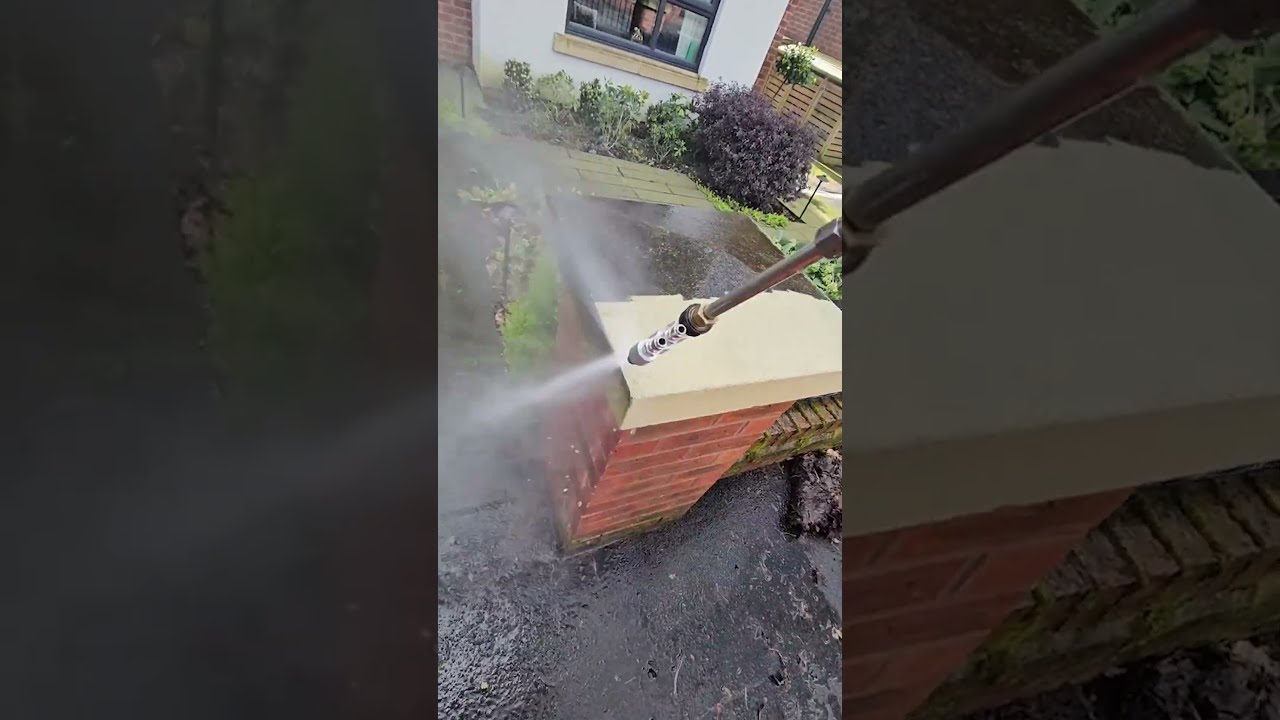
For most cladding, lower is better. As a general guide, aim for under 1,500 PSI (roughly 100 bar) for weatherboard and fibre cement, and use a wide-angle fan nozzle, such as 25 or 40 degrees. Keep the nozzle at least 30 centimetres from the wall, and never angle the spray upward under board edges, where water can penetrate behind the cladding and cause moisture problems or rot.
A soft wash setup typically operates at well below this, making it a safer option for older or more delicate walls.
Choosing the Right Cleaning Solutions
Different types of staining need different treatments:
- Mould and mildew: Diluted sodium hypochlorite solutions or purpose-made mould removers are effective. Always follow label directions and dilute appropriately.
- General dirt and grime: A mild household or car-wash style detergent mixed with water usually does the job.
- Algae and lichen: Specialised algaecides or biocides kill growth at the root and help prevent quick regrowth.
- Rust or tannin stains: Use targeted products designed for the specific stain, and test in a small area first.
Never mix cleaning chemicals, particularly bleach with ammonia or acidic products, as this can release toxic gases. Wear protective eyewear, gloves and long sleeves, and rinse plants thoroughly to prevent chemical burn.

Safety Considerations
Even without a ladder, washing upper walls carries risks. Keep these points in mind:
- Stay clear of power lines. Water conducts electricity. Maintain a safe distance from overhead lines and service connections, and never use metal or aluminium poles near them. Use fibreglass or carbon fibre poles where possible.
- Watch your footing. Wet grass, paving and soapy runoff can be slippery. Wear shoes with good grip.
- Protect electrical fittings. Avoid spraying water directly into power points, meter boxes, lights and vents.
- Manage runoff. Prevent chemical runoff from entering stormwater drains and local waterways. Lismore sits within the Wilsons River catchment, so responsible wastewater management matters. Direct rinse water onto lawn or garden beds where appropriate, and use biodegradable cleaners.
- Use protective gear. Safety glasses, gloves and sturdy footwear are the minimum.
Post-Flood and Wet-Season Considerations in Lismore
Lismore homeowners are well aware of the effects of floodwater and prolonged wet weather. After a flood, walls may carry silt, contaminants and mould that require more than a simple wash. Wall cavities, insulation and cladding backing can stay damp for a long time and may need professional assessment. If walls have been inundated, follow current local council and health authority guidance, and have the wall condition checked before cosmetic cleaning.
During the wet season, expect mould to return more quickly. Schedule your major wash in the drier months, typically late winter to spring, to give the cladding the best chance of staying clean through the humid summer period. Trimming overhanging vegetation and improving airflow around the house also reduce moisture and slow regrowth.
Preventing Future Build-Up
- Trim trees and shrubs so walls get more sunlight and airflow.
- Keep gutters and downpipes clear so overflow does not stain walls.
- Repair leaking taps, downpipes and sprinklers that wet the cladding.
- Apply a mould-resistant treatment or protective coating after cleaning, where suitable for your cladding.
- Repaint when the finish begins to fail, as bare or chalky surfaces collect grime faster.
When to Hire a Professional
DIY washing is practical for many homes, but there are times when calling a professional pressure and soft washing service is the smarter option. Consider hiring help if:
- Your wall height exceeds the safe reach of your equipment.
- The cladding is old, fragile or has visible damage.
- Mould or algae is heavy and widespread.
- Access is limited by steep ground, pools, dense gardens or nearby power lines.
- You are unsure which cleaning method or chemicals suit your cladding.
Professional cleaners carry the right insurance, use calibrated equipment, and understand how to treat different materials without causing damage. When selecting a provider in Lismore, ask about their experience with your cladding type, whether they use soft washing, how they handle runoff, and whether they hold public liability insurance.
Final Thoughts
You do not need to climb a ladder to keep second-story cladding clean. Extension wands, soft washing systems, water-fed poles and long-handled brushes all let you work safely from the ground, provided you match the method to your cladding and use appropriate pressure and cleaners. In Lismore's humid, wet climate, regular maintenance prevents mould and grime from taking hold and protects your home's finish for years. When the job is too high, too heavy or too risky, bringing in a qualified professional is a sensible investment in both safety and results.
Lismore Pressure Cleaning
(02) 6617 2969
Ends · SPENCERLARO695